
Introduction
You’re not alone. A variety of different Exercises health issues are now common due to postural problems, thanks to how we are forced to sit in odd postures for long hours.
The good news? You can fix it.
By practicing simple exercises which will correct your posture and keep your spine healthy you can train your body to stand taller, move better, and feel less pain on your own without needing a chiropractor.
Want to relieve back pain? Alignment, core strength, and other factors are linked to low-back pain. This guide outlines six effective exercises for proper alignment, core strength, and long-term alleviation of back pain problems. Whether you’re working in the office, a student, or just want to feel better in your own body, these moves will help you get confident with your sit, stand, and more.
1. The Importance of Good Posture
Before we start with the exercises, understanding posture is important for various reasons.
How you hold yourself has more impact than you might think. It affects the way — you look, feel, move, breathe, and more. When the spine is correctly positioned, the joints, muscles, and ligaments work in harmony However, when you slouch, lean, or sit for a long time, your body compensates, creating tension in the neck, shoulder, and lower back.
Benefits of Posture Correction.
- Reduces chronic back pain and neck strain.
- Improves circulation and breathing.
- Enhances energy levels and focus.
- Boosts confidence and overall appearance.
Having a good posture is not to be stiff but to have awareness, balance and strength. Doing the following exercises will help you build spine health.
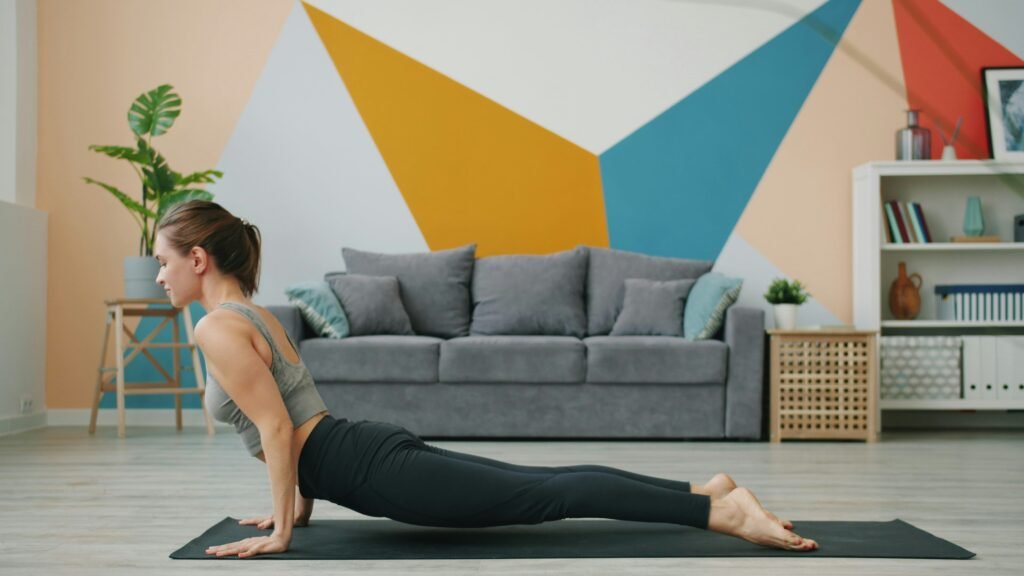
2. Cat-Cow Stretch: Mobilize Your Spine
TCat-Cow is a gentle, yoga-inspired movement that promotes an increasing spine flexibility while easing tension in your neck and shoulders. It’s ideal for people that spend a lot of hours sitting and must “wake up” their back muscles.
How to Do It.
- Start on your hands and knees, with your wrists under your shoulders and your knees under your hips.
- Cat Pose: Curve your back towards the ceiling, tucking your chin to your chest.
- For the cow pose, lower your stomach towards the ground and lift your head and tailbone.
- Move slowly between these two positions for 1–2 minutes.
Why It Works.
The Cat-Cow increases flexibility of the spine and lubricates the vertebrae. An exercise for spine health that is easy and effective for any beginner.
Exercise three: strengthening the upper back and opening the shoulders with wall angels.
If you spend hours hunched over a computer, the next move is exactly what you need. Wall Angels can help realign your shoulders and upper spine, strengthening postural muscles and correcting the forward-slouching pattern.
How to Complete It:
- Place your feet about 6 inches from a wall and stand with your back flat against it.
- Put your head, shoulders, and lower back against the wall.
- As in the goalpost position, bend your elbows to a 90-degree angle.
- Keep your arms in contact with the wall as you slowly raise them overhead and lower them again.
Pro Tip:
Focus on slow, deliberate movement as you complete three sets of ten repetitions.
The Reason It Works
Your posture correction and long-term back pain relief depend on the activation of your upper back and rear shoulder muscles, which this exercise provides.
4. Plank Hold: Build Core Stability for Better Alignment
The cornerstone of proper posture is a robust core. Your spine becomes unsupported when your lower back and abdominal muscles are weak, which causes discomfort and slouching.
A straightforward, equipment-free core strength exercise that increases endurance and stability is the plank.
How to Do It:
- Place your hands under your shoulders and extend your legs to perform a push-up.
- Maintain a straight body from head to heels while activating your abs.
- Depending on your level of fitness, hold for 20–60 seconds.
Expert Advice:
Avoid lowering your head and maintain a neutral neck position. Maintain a tight core and level hips.
The Reason It Works:
By strengthening the deep core muscles that support the spine, planks help to improve posture and lessen strain on the lower back.
5. Chest Opener Stretch: Undo the Effects of Sitting
Sitting for extended periods of time leads to tightness in your chest and shortened muscles in your front shoulder area, contributing to a hunched posture. The chest opener stretch assists in returning your upper body alignment and releasing tension.
To perform:
- Interlace your hands behind your back, standing proud.
- Gently extend your arms while pushing your chest forward.
- Do this two or three times while holding for 20 to 30 seconds.
Another option:
If you struggle to pull your hands together, you can use a towel or resistance band between your hands.
Why Does it Work:
This simple stretch helps to counteract the muscle pulling your posture forward as well as increases flexibility in shoulders and chest. It is one of the best posture correction exercises for everyday.
6. Glute Bridge: Strengthen the Posterior Chain
YOur glutes serve an important purpose in sustaining a healthy spine. Weak glutes can result in faulty pelvic positioning and contribute to lower back pain.
The glute bridge works to strengthen the hips, glutes, and low back to create a stable base for improved posture.
How To Do It:
- Lie on your back with knees bent and feet flat on the floor.
- Engaging in your core and squeezing your glutes, lift your hips off the ground.
- Hold for 2 seconds before coming back down slowly.
- Complete 3 sets of 15 reps.
Pro Tip:
Do not let your lower back arch — the lift should come from your hips and glutes.
Why It Works:
This core strength workout builds strength in the muscles supporting your pelvis and spine, relieving lower back pain while building balance.
Conclusion
Bad posture doesn’t occur overnight and it doesn’t improve overnight, either. With commitment to exercises that target spinal health, and the right mindset, you can make genuine progress in the areas that matter.
These six movements – Wall Angels, Glute Bridges, etc. – are all safe, effective and straightforward to incorporate into your daily routine. Each movement centers on addressing the root causes of back pain, rather than just the symptoms, while also increasing your mobility and confidence to exist within your body with more freedom.
Whether you’re sitting at a desk, studying for exams, or just looking to feel better on a daily basis, these exercises will all contribute to strengthening your body, supporting the integrity of your spine, and developing the strength and confidence to stand taller.
So take a breath, roll your shoulders back, and start today – your back will thank you!🧘♂️
